The Wand Is the Formula
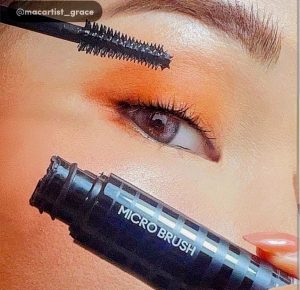
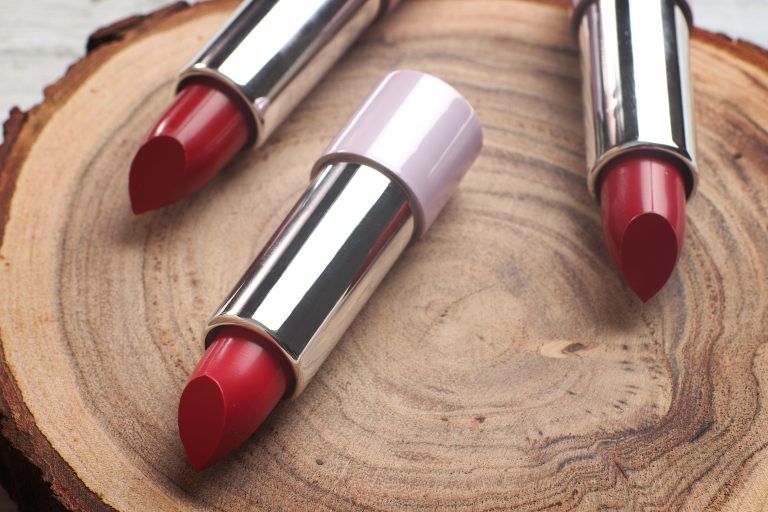
There is a particular sound a good mascara tube makes when it closes. Not a snap — a seat. Weighted metal meeting itself, the kind of click that tells your hand something before your eyes confirm it. Manufacturers know this. It is not an accident. But the real key to mascara without clumping has almost nothing to do with the tube, and everything to do with a two-second habit most people skip.
For years the mascara conversation has been framed as a loyalty test — prestige versus drugstore, MAC versus whatever’s on sale at Ulta this week. It’s the wrong frame, and it’s the same wrong frame we ran into with Kumano’s handmade brushes — the value was never just in the name on the handle. The real story isn’t in the tube. It’s in the wand, and more specifically, in whether anyone bothered to engineer it for the way lashes actually grow.
The Engineering Nobody Markets
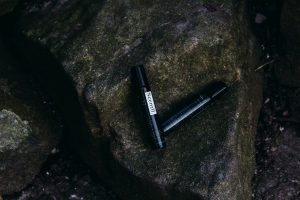
Pull apart what makes a brush like MAC’s Mega Brush behave differently from a standard rubber wand, and the differences are structural, not cosmetic. The bristles are petal-shaped and interlocking, built to catch lashes from multiple angles instead of one straight pass. The formula is calibrated to the brush — dense enough to layer six, eight, ten coats across a day without ever curdling into the crunchy, spidered mess that cheaper pairings produce. And yes, the packaging itself is heavier than it needs to be, deliberately. Weight reads as trust before the product ever touches skin.
None of this is about brand worship. It’s about the fact that most drugstore wands are still solving a problem — coating a lash evenly — that better-engineered wands solved a decade ago.
Culture Lane: The Ritual Was Never About the Tube

Export Lane: The Gap Is Closing
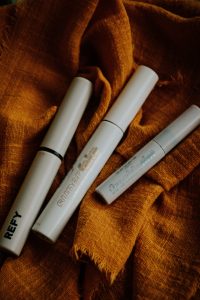
What gets exported and sold is different — the metallic tube, the “click,” the idea that a $27 mascara will make you look like a supermodel under studio lights. And to be fair, some of that packaging psychology is real; there is a genuine boost in reaching for a heavy, well-made tool. But the technology gap between prestige and drugstore has narrowed considerably. Formulas like L’Oréal’s Voluminous Panorama or Maybelline’s Lash Stiletto were built to mimic exactly the multi-level bristle structure that prestige brands popularized, at a fraction of the cost — and if budget is the only barrier, most major retailers now carry mini, travel-sized versions of the flagship formulas for around $16, a low-commitment way to test the engineering before committing to the full tube.
The Actual Philosophy
The right wand for mascara clamping was never the expensive one or the cheap one. It’s the one shaped for your particular lash pattern — sparse or full, straight or downturned, upper lash only or both. Buy for the engineering, not the aesthetic of the packaging. Test the technique before you test the price point. A $9 wand used with intention will often outperform a $34 wand used carelessly.
If holding a weighted tube makes the morning ritual feel a little more complete, that matters too. Just do not confuse the feeling with the function. They are two different purchases wearing the same packaging.
Coming next in this series: the accidental invention behind the beauty sponge, and why the lip brush is slowly disappearing from routines that no longer need it.
#mascara wands #MAC Cosmetics #drugstore dupes #beauty tools #Studio Signal