Hotel Esencia: The Duchess’s Beach
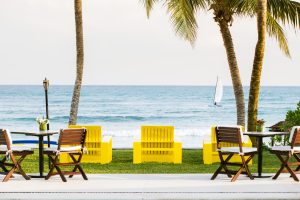
photo by Hotel Esencia
The Duchess’s Beach
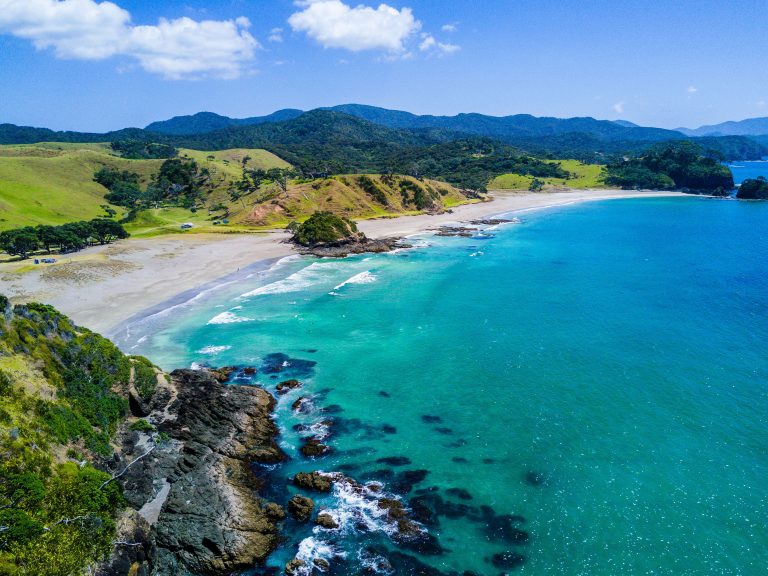
Hotel Esencia sits on a beach that belonged to a duchess first, and to something much older than her before that.
The Duchess Who Found It First
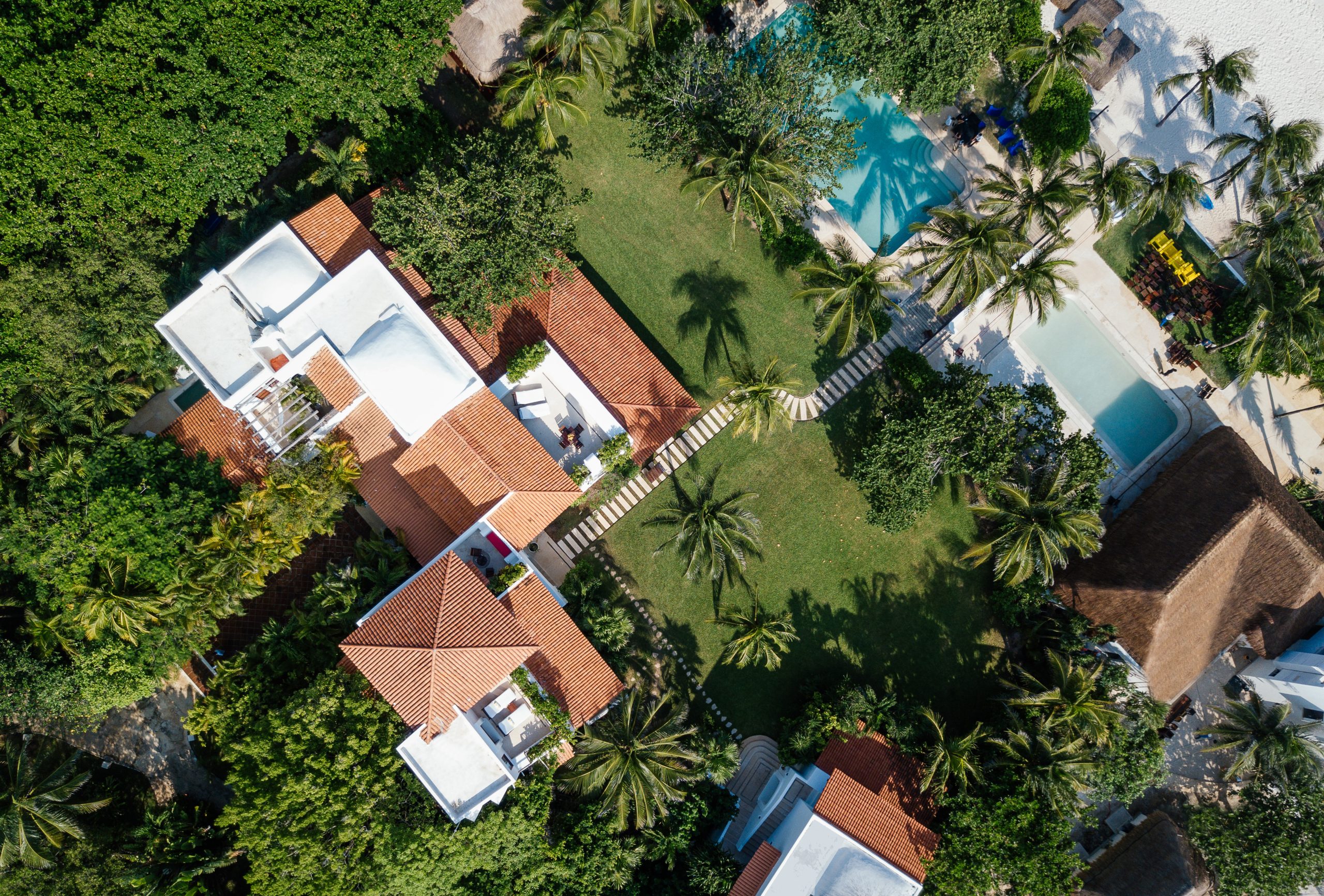
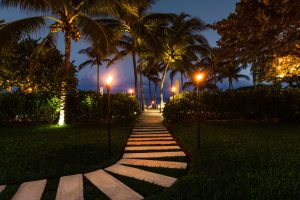
In the 1990s, an Italian duchess named Rosa de Ferrari came upon this beach and did what people with means and taste sometimes do — she built a home she never wanted to leave. The estate stayed private for years, a residence rather than a destination, before it became a hotel in 2005. Her original suite is still here, still called the Rosa Suite, still carrying her name through every renovation since. Today the estate holds 47 suites and four villas around the original Main House, plus the separately booked Esencia Mansion. You can feel the residential bones of the place even now — footpaths instead of hallways, a main house instead of a lobby, the sense of arriving somewhere someone actually lived rather than somewhere built to be arrived at.
What Was Already Here
The spa sits at the estate’s east end, overlooking Esencia’s own cenote, and it wasn’t designed to be photographed first and felt second. Its circular layout is built around principles of Mayan sacred geometry, as the property itself describes it — architecture intended to echo how the region’s builders once understood space and energy, long before any duchess arrived. Underneath the palapa roof, therapists work from an organic kitchen, brewing balms and tinctures from herbs and honey grown on the estate itself. There’s a Temazcal sweat lodge. The copal and cacao rituals offered here draw on practices far older than the hotel, older than the duchess, older than the idea of Riviera Maya as a destination at all. Most luxury properties treat this as an amenity. Here, it reads as the reason the building is shaped the way it is — outcome before optics.

photo by Hotel Esencia
Two Inheritances, One Estate
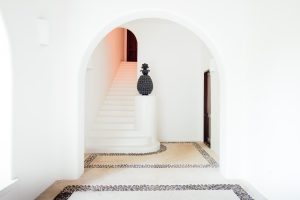
What makes Esencia interesting isn’t that it has history — it’s that it’s carrying two histories at once, and doesn’t blend them into one polished story. In 2014, new ownership brought in C.S. Valentin — a Paris-trained creative director who’d previously shaped Miu Miu’s North America presence — to lead a full reimagining of the property, restoring it to its former life as the duchess’s summer residence while giving it a distinctly worldly, modern hand. Valentin didn’t decorate around the estate’s bones; he designed a collection of forty pieces of furniture and decorative objects, made locally by hand, specifically for the rooms they’d sit in. He commissioned Michel Gaubert’s sound design to thread through the public spaces and brought in illustrator Pierre Le Tan for the hotel’s visual identity — the same instinct that shows up at the table. Beefbar, a Monaco institution since 2005, serves Wagyu and Kobe beef out of a brick oven in the Palm Garden. Taiyo works classic sushi tradition into a Mexican twist at its omakase bar. Mistura stays closest to home, sea-to-table under a beachfront palapa with a Mediterranean lean. None of it pretends to be Mayan, and none of it needs to — it sits over the land’s older inheritance rather than borrowing from it. The furniture doesn’t compete with the Temazcal lodge, because neither one was ever meant to be scenery. They’re both structure. They’re just both true about the same fifty acres.
What the Turtles Know
Every year, sea turtles still come back to this exact beach to nest, the same way they did before the duchess, before the hotel, before any of this had a name attached to it. Hotel Esencia didn’t create what makes Xpu-Ha remarkable — at its best, it’s just careful not to get in the way of it, the same instinct I found in Paris, three blocks off the boulevard: the real luxury was never the polish. It was whoever was careful enough not to disturb what was already valuable before they got there.
 photo by Hotel Esencia