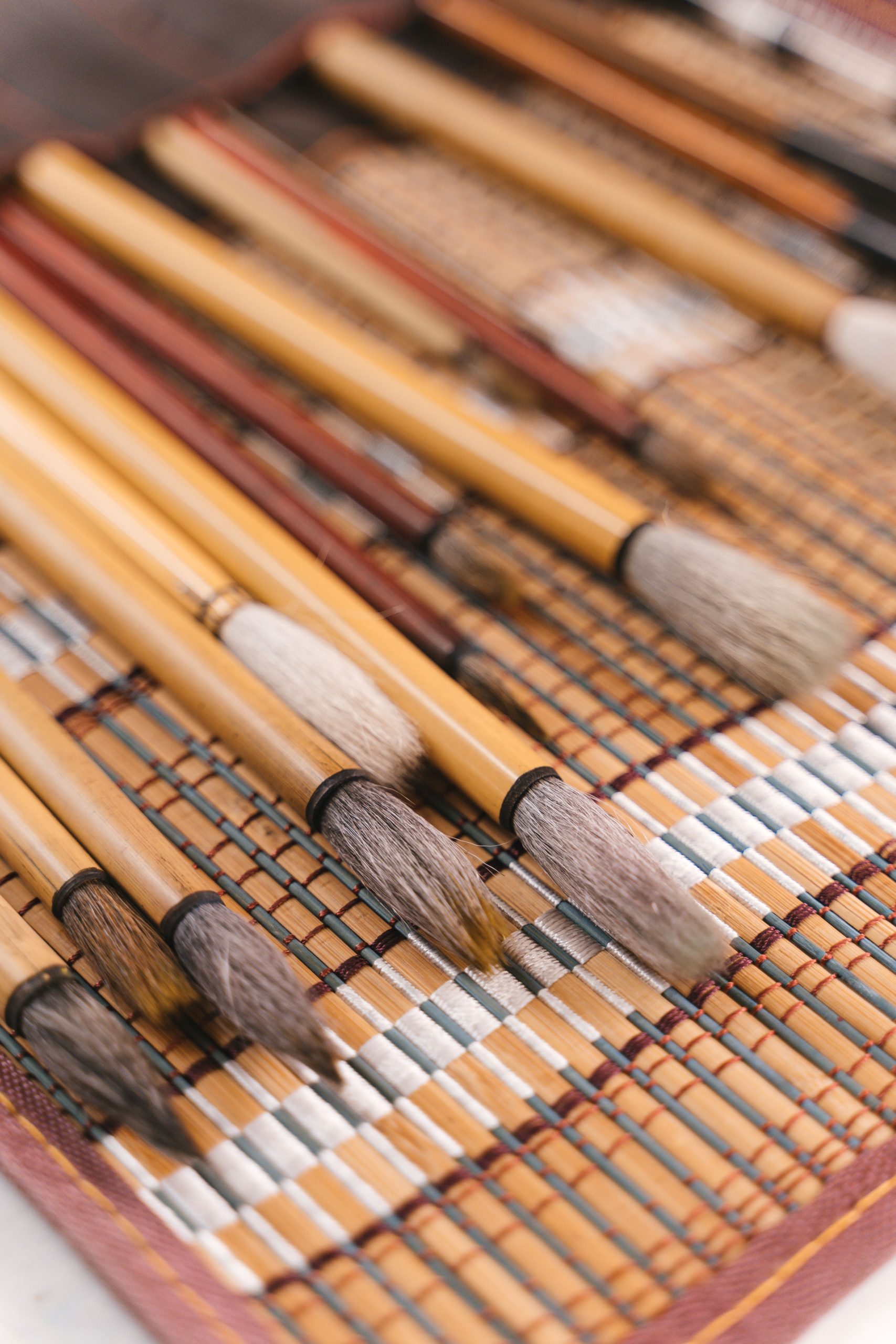
Kumano Makeup Brushes
STUDIO SIGNAL — MAKEUP
Kumano Makeup Brushes: Built for the Camera, Perfected by Hand
One tool. Two traditions. And a story that starts nowhere near a beauty counter.
I’m turning a brush over in my hand, and it doesn’t feel like a beauty tool. It feels like an instrument. These are Kumano makeup brushes, hand-shaped in a small town in Hiroshima where artisans have been doing this for over 180 years where artisans have been doing this for over 180 years — and the story of how it got here starts nowhere near Japan. It starts on a 1920s film set, under lights hot enough to melt greasepaint.
The Export Lane: A Problem the Camera Created
Before the close-up, nobody needed a good brush. Actors did their own makeup, and nobody was looking closely enough to care whether it was even. Then the camera got closer, and everything fell apart under the lens — stage greasepaint cracked, melted, and read as a mask instead of a face.
Max Factor, a wigmaker who’d fled Russia and landed in Los Angeles, spent his career solving problems the camera invented. He built formulas that wouldn’t melt under studio lights — grease paint fine enough to survive a close-up, powder that could stand up to the telescopic magnification of film — and the industry around him built the tools to apply them fast enough to keep a production moving. The brush, in that world, wasn’t an artistic flourish. It was industrial equipment, designed for speed and repeatability on a set where a hundred actors needed the same flawless result before the next take. Hollywood didn’t invent beauty tools out of nowhere. It built an entire supply chain of them to solve a technical problem, fast, at scale.
The Culture Lane: A Problem Solved by Hand
Six thousand miles away, in a mountain town called Kumano, the same basic object was being solved in the opposite direction. Kumano’s artisans had spent centuries making calligraphy brushes before they ever touched a cosmetic — the skill transferred, but the philosophy didn’t change. A Kumano brush is still hand-selected, hair by hair, and shaped using the natural tip rather than a machine-cut edge. That’s the detail that matters: a cut tip is blunt and scratches skin. An uncut, hand-formed tip is soft enough that the brush seems to disappear against your face.
Nobody in Kumano was trying to solve a studio-lighting problem. They were doing what the town had always done — slowly, by hand, one brush at a time. It just happened that the result was exactly what a face, magnified or not, actually wants.
Why the Brush Matters More Than the Product
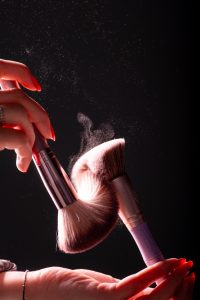
Every professional makeup artist I’ve ever talked to circles back to the same point eventually: the product matters less than the tool applying it. The same foundation looks different depending on what’s putting it on your skin. That’s not vanity talking — it’s the entire reason Kumano brushes command the prices they do, and the entire reason Hollywood’s mass-produced tools still dominate every drugstore aisle in the world.
Neither approach is wrong. One was built to move fast and work for everyone. The other was built to be exceptional for one person at a time. It’s the same instinct I found in Paris, three blocks off the boulevard — the value isn’t just in the look, it’s in knowing someone’s hands actually made it.
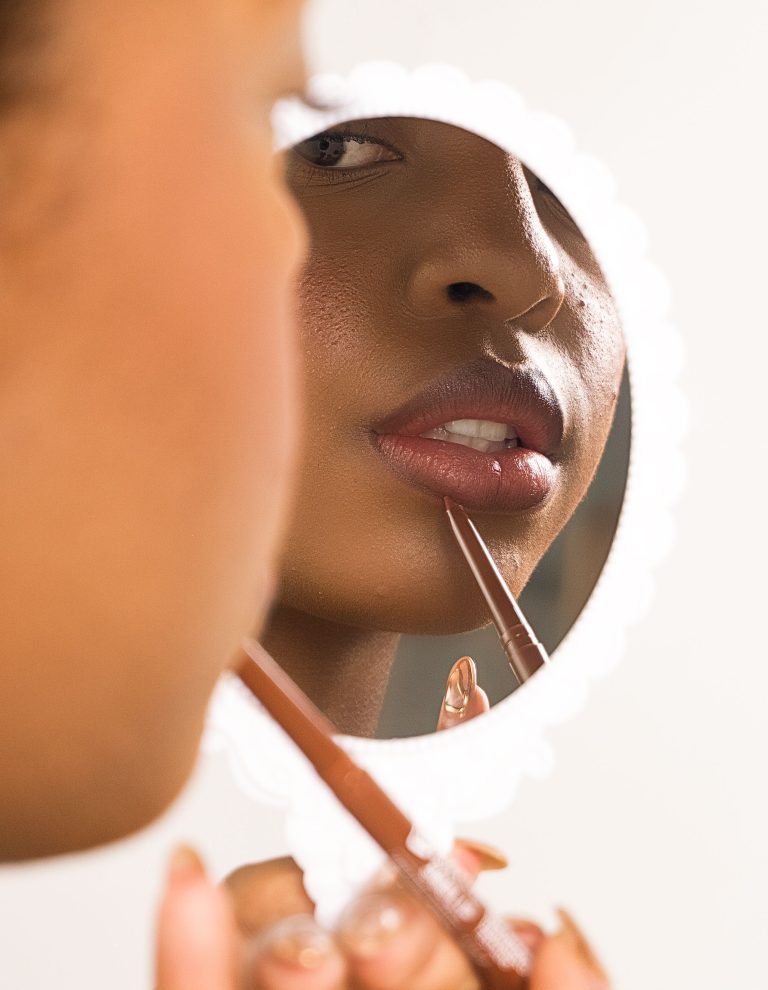
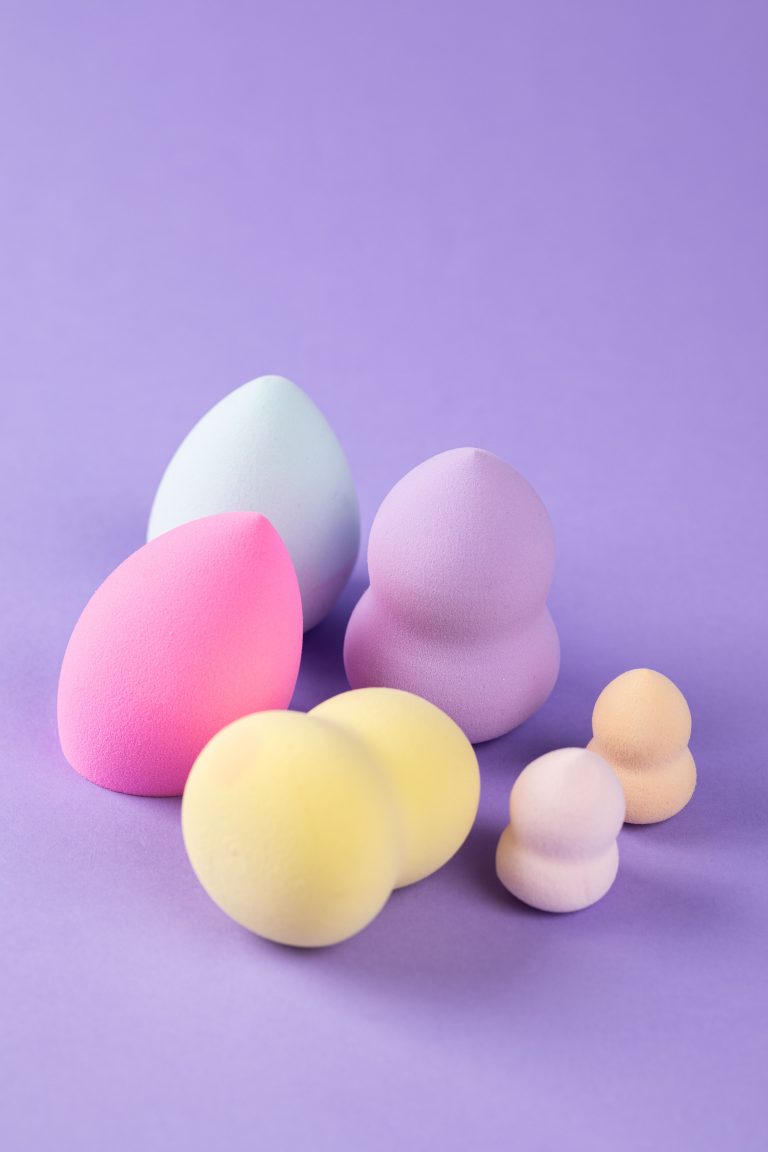
Coming next in this series: the mascara wand’s quiet engineering arms race, the accidental invention behind the beauty sponge, and why the lip brush is slowly disappearing from routines that no longer need it.