France’s Two Luxuries
STUDIO SIGNAL — FASHION
France’s Two Luxuries
France does not export one luxury fragrance. It exports two — and knowing which bottle you’re holding changes everything.
I’m standing at the duty-free counter in Charles de Gaulle, watching a woman test her third bottle in ten minutes. Dior, Chanel, YSL — the same five houses on repeat, in every terminal from Doha to Dallas. Beautiful bottles. Undeniable craft. Made in France, sold everywhere. This is the fragrance the world thinks it knows.
But I’ve also stood in the other France — the one three blocks off the boulevard, where the story changes completely.

The Culture Lane: Scarcity as Craft
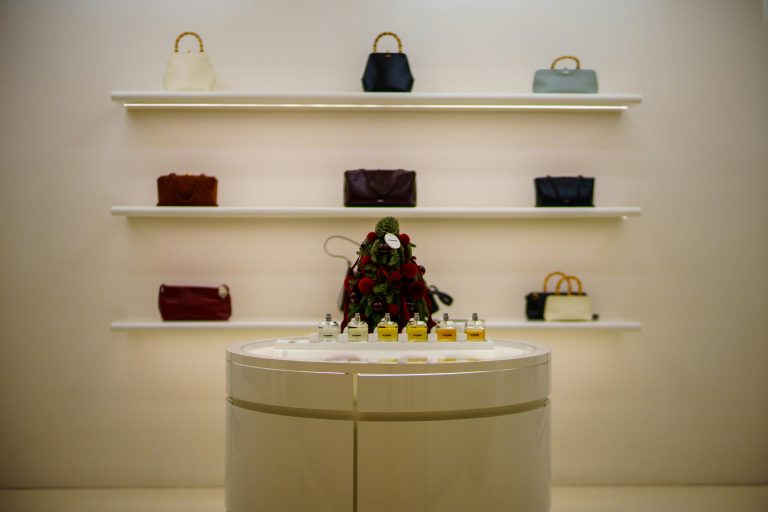
There’s a shop I know near the Palais-Royal, easy to miss if you’re not already looking for it. No sign that announces itself, no window display doing the selling. Frédéric Malle runs his boutiques the way a gallery runs a show — small batches, the perfumer’s name on the bottle, no diffusion line trailing behind it into every mall in the world. Serge Lutens built his reputation the same way: for years, certain scents lived nowhere but a single boutique inside that same arcade, and you either knew that or you didn’t. Diptyque started here too, before it scaled — a candle shop that happened to also make designer perfume, known only to people already in on it.
Standing in a room like that, you understand fast: the value isn’t only in how it smells. It’s in how few people could have told you where to find it. Access is the product. Rarity is the currency. This lane isn’t trying to reach you — you have to go find it, and that’s the whole point.
The Export Lane: Abundance as Prestige
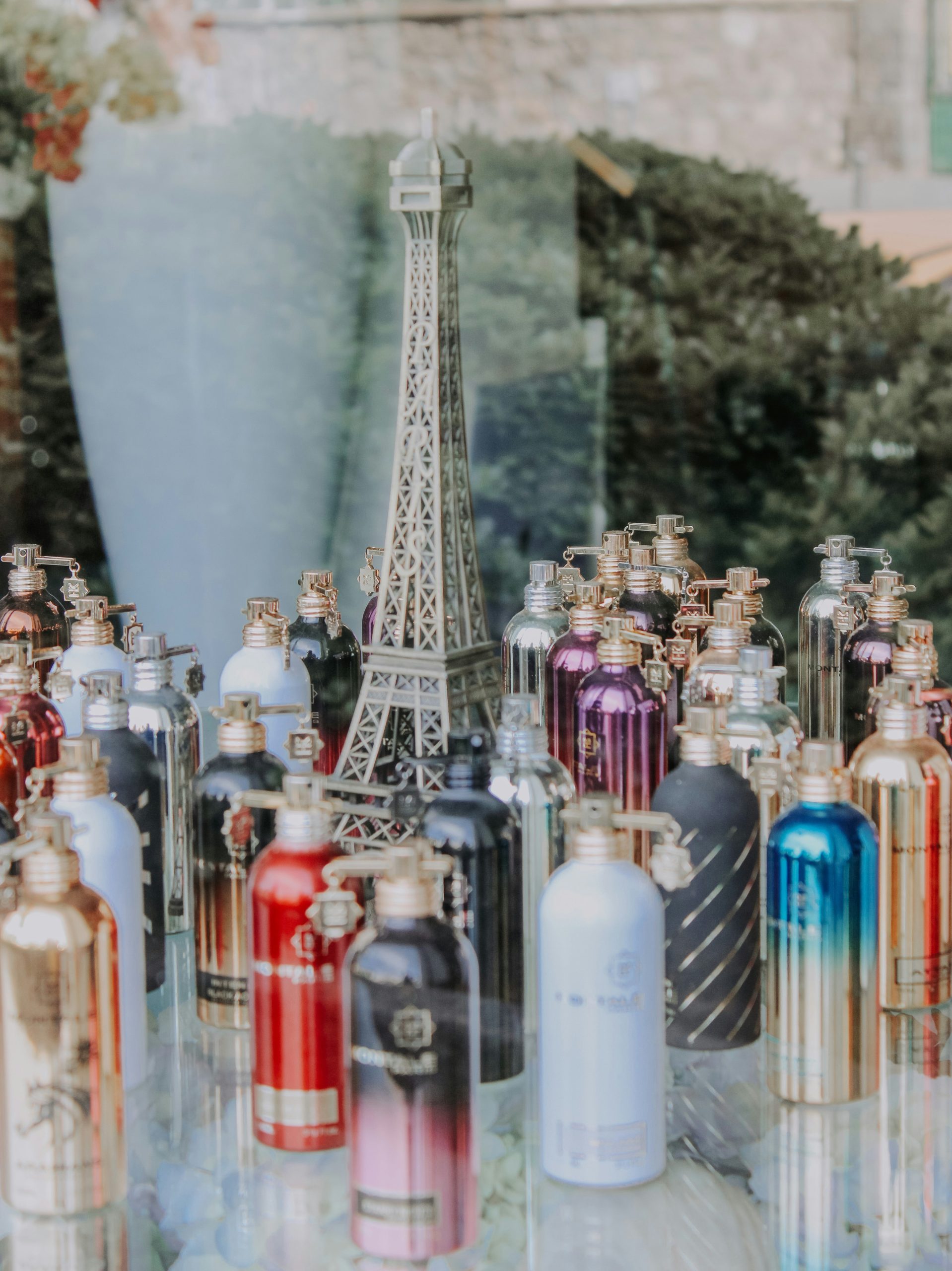
Back at the counter, the logic flips entirely, and it flips on purpose. Chanel No. 5 isn’t trying to be rare — it’s trying to be everywhere, because ubiquity is exactly what tells a buyer who may never set foot in Paris, this is the real thing. Dior Sauvage doesn’t need a discovery story. It needs a billboard, a familiar face, and a bottle sitting on every continent at the same moment.


Watching both rooms in the same week, I don’t read one as the lesser version of the other. They’re built for different jobs. The alley sells you found something. The airport sells you know what this is. Both are true. Neither is fake. They’re simply answering different questions for different buyers standing in different rooms.
Why This Matters to the Buyer
Most people walk out of either room without ever registering that they just chose between two entirely different economies. They think they bought a scent. They actually bought a value system — one built on being hard to find, the other on being impossible to miss.
Neither purchase is wrong. But standing in both rooms, only one of them tells you, honestly, what you’re actually paying for.

Coming next in this series: a companion Signal on how India prices fragrance differently — not through scarcity or ubiquity, but through climate, sensory memory, and value logic built for heat rather than for hierarchy.