Diamonds Before Noon
Global Lens · Fashion
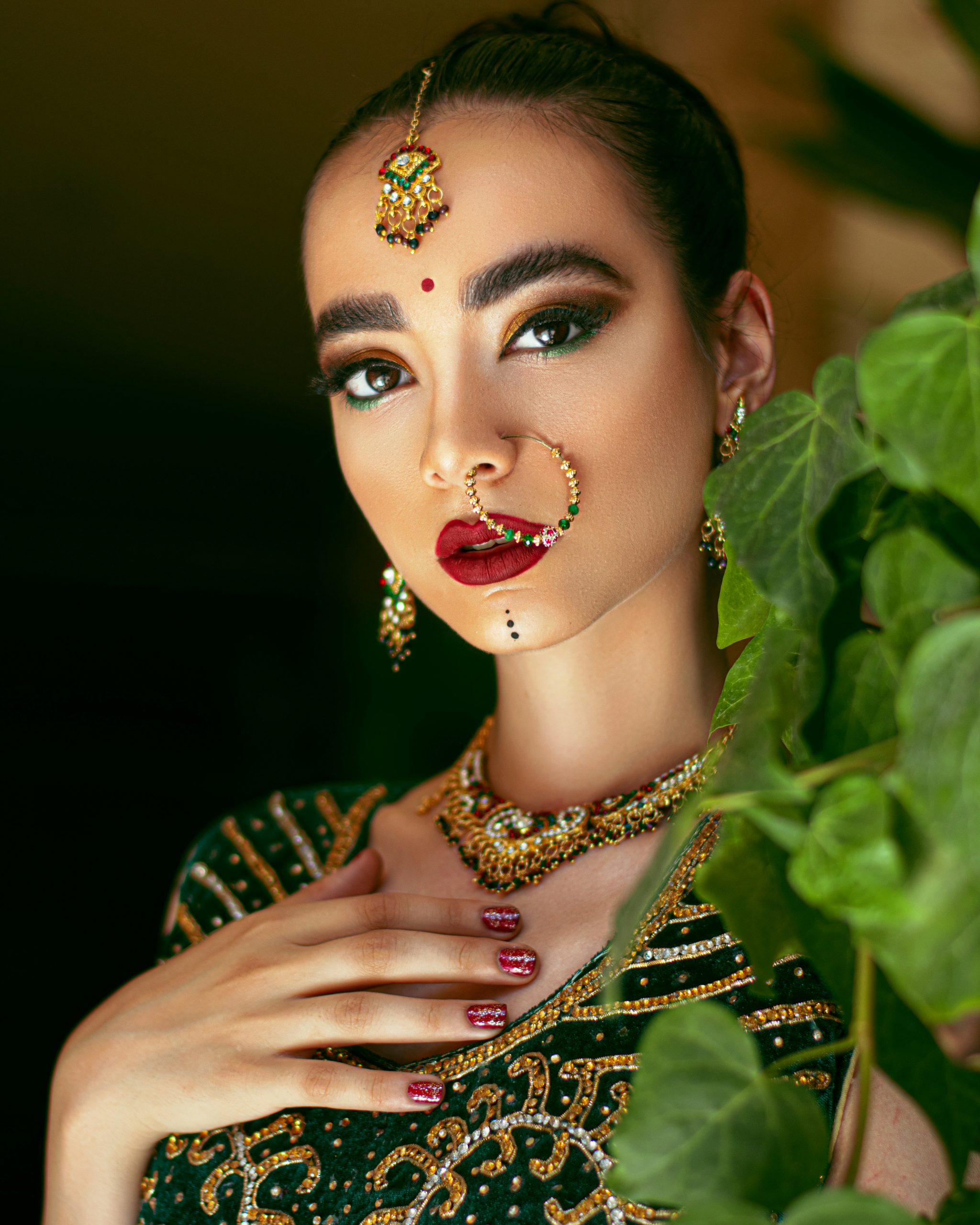
Indian women aren’t adopting a trend. They’re rewriting a rule — and the rule was never theirs to begin with.
“The locker used to mean you had something worth protecting. She decided she was worth more than the locker.”

For generations, fine jewellery in India lived in a bank locker between occasions. This wasn’t carelessness — it was culture. Diamonds were worn to weddings, to festivals, to ceremonies that marked the moments a family wanted to remember. The locker was the point. It meant you had something worth protecting.
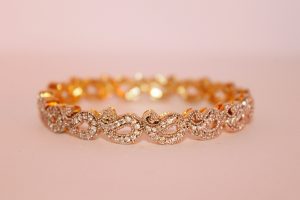
What’s shifting in 2026 isn’t that diamonds got cheaper. It’s that Indian women decided the locker was the wrong place for them. Tennis bracelets worn to work. Diamond huggies to the market. A slim solitaire pendant on a Tuesday, at 9am, for nothing in particular. Once a woman experiences daily-wear diamonds, she rarely goes back — not because the stone changed, but because her understanding of herself did.
This is what identity shift looks like before it makes the headline. Not a runway moment. Not a campaign. A woman closing the locker and putting the bracelet on instead.
Hana’s ReadThe question Indian women stopped asking is “when is the occasion?” The question they’re asking now is “why wasn’t every day the occasion?” That’s not a trend. That’s a correction.
The Distinction
The West had its moment with quiet luxury — remove the logos, whisper the price tag, signal through restraint. That conversation is already cycling out. What India is doing with everyday diamonds is something categorically different, and it’s worth naming correctly.
Quiet luxury is subtraction. Indian everyday diamonds are integration. One says: don’t look too hard at what I’m wearing. The other says: this is who I am, at any hour, on any day. The stone doesn’t announce wealth. It announces selfhood.
Indian fashion in 2026 is rooted in comfort, identity, and flexibility — not dramatic reinvention, but refinement. That word, refinement, is doing real work here. It’s the language of someone who has already decided who she is and is now editing the wardrobe to match the interior. The diamond isn’t new information. It’s confirmation.
Western Quiet Luxury
Subtraction as signal
Remove logos. Whisper the price. Signal through what’s absent. Restraint as the luxury statement.
Indian Everyday Diamond
Integration as sovereignty
Wear it Tuesday. Wear it before noon. Integrate luxury into the rhythm of ordinary life as an expression of self — not occasion.
The Parallel
Lab-grown diamonds made daily wear financially possible. A 1-carat lab stone in India today runs roughly ₹25,000 to ₹55,000 — a mined stone of equal quality costs three to four times more. That gap changes what a woman buys and, more importantly, how often she wears it. Accessibility is the engine of democratisation. Harmoni readers know that story — it’s how indie clean beauty brands broke open the prestige skincare category.
But the more important shift is philosophical, and it’s one Harmoni has been tracking across verticals. Clean beauty asked: what’s in this product? Lab diamonds ask: where did this stone come from? Same consumer muscle. Same ethical fluency being applied to a different category.
Indian families are now splitting their bridal jewellery budget deliberately — natural diamonds anchor the heirloom pieces, while lab-grown stones power the reception sets, the cocktail pieces, the everyday-wear collection. That’s not compromise. That’s strategy. Cultural intelligence applied to consumption.
Hana’s ReadThe choice is no longer beauty or conscience. It is beauty with conscience — and the Indian consumer arrived at that conclusion on her own timeline, for her own reasons, through her own cultural framework. The West didn’t teach her this. She already knew.
The Larger Story
India’s luxury market sits at USD 17 billion today. It is projected to exceed USD 85 billion by 2030. That number matters, but it’s not the story Harmoni is here to tell. The story is what happens when a market that size stops following someone else’s script.
Indian women are redefining luxury from the inside — not by adopting Western frameworks and localising them, but by applying their own cultural logic to what luxury means, when it’s worn, and why it matters. Deepika Padukone as Louis Vuitton’s first Indian global ambassador. Alia Bhatt in Gucci’s first-ever sari creation at Cannes. These are not moments of India reaching toward Western prestige. They are moments of India setting the terms.
Diamonds before noon is part of the same sentence. When a woman puts on a diamond bracelet on a Wednesday morning because that’s who she is — not because an occasion requires it — she is writing luxury culture, not consuming it. That’s the shift Hana sees. That’s why it belongs here.