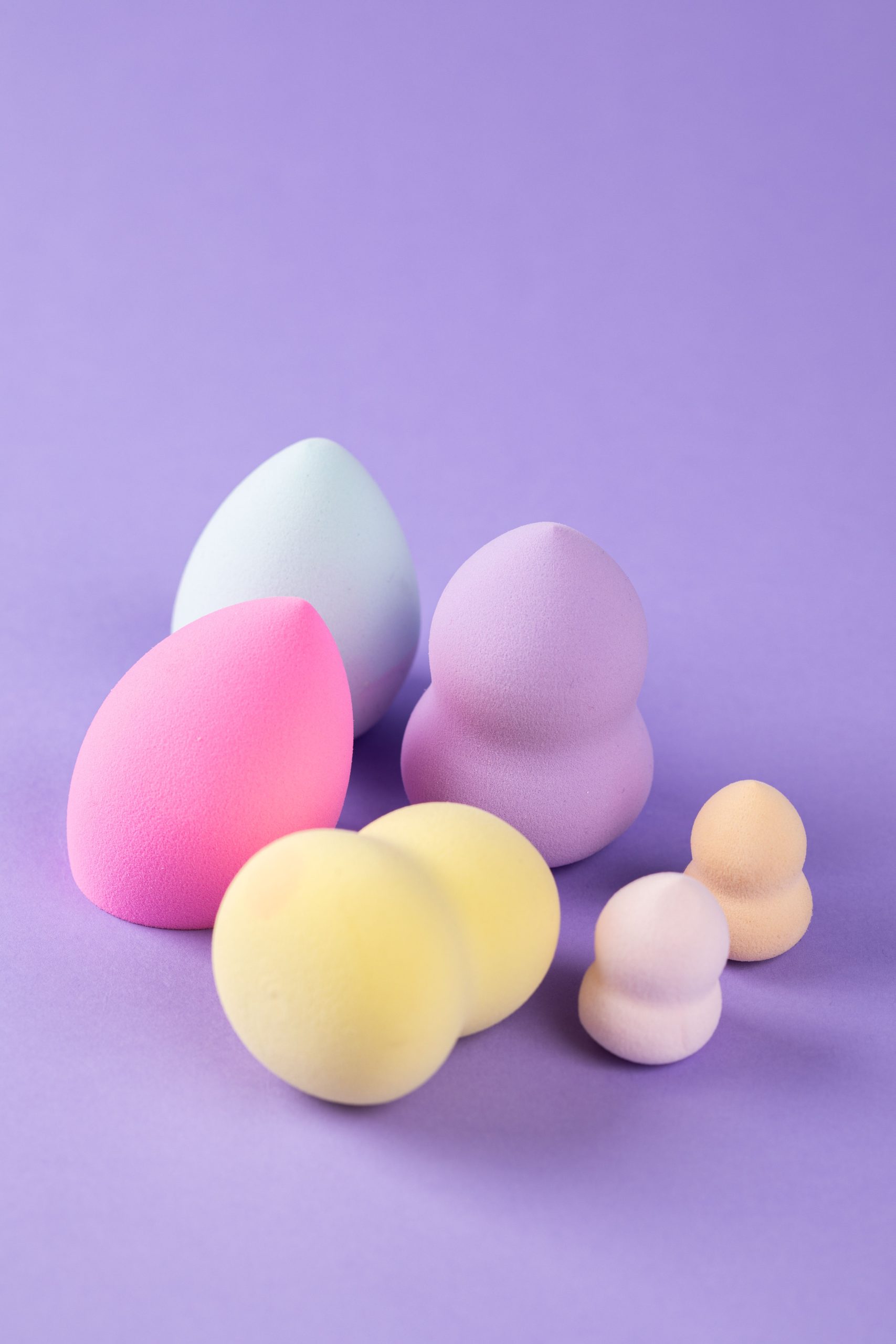
Clean Girl’s Dirty Secret
I keep coming back to the same object, sitting damp on a bathroom counter, doing more work than anything else in the routine. The whole premise of clean girl makeup is that your skin is the product — barely-there, dewy, cared-for, nothing performing too hard. And the tool making that look possible, the one pressing tinted moisturizer into skin in soft, even layers, is — according to nearly every study that has ever tested it — the dirtiest object in the entire makeup bag.
Nobody designed it that way on purpose. That’s the part worth sitting with.
Clean Girl Makeup's Bacteria Problem, By the Numbers
A UK study analyzing 467 donated beauty products found makeup blenders were the single worst offender for bacterial contamination of every category tested — worse than lipstick, worse than mascara, worse than eyeliner. A separate study found 93% of used sponges had never been cleaned at all, and between 79% and 90% carried high levels of harmful bacteria. One research paper found sponges averaging more than a million bacteria colonies each. And here’s the detail that should actually change your habits: a clean-looking sponge tells you nothing. Researchers found no correlation between how gross a sponge appeared and how contaminated it actually was.
Why Every Clean Girl Makeup Sponge Gets This Dirty
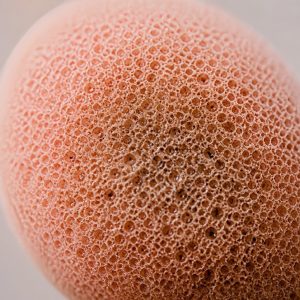
A brush’s bristles are solid. Bacteria sits on the surface, exposed to air, easy to rinse away. A sponge is the opposite by design — thousands of tiny open cells built specifically to absorb. That’s exactly why it blends so beautifully; it pulls product, moisture, and skin oils down into itself rather than leaving them on the surface. But that same structure holds onto dead skin cells and bacteria deep inside, in a moist, airless environment cleaning can’t fully reach. The engineering that makes it the best blending tool in the bag is the same engineering that makes it the hardest one to actually get clean.
An Accident, Not an Invention Built for This
In 2002, on the set of the television show Girlfriends, makeup artist Rea Ann Silva was solving a narrower problem: traditional applicators left visible streaks under HD cameras. She cut a rectangular sponge into an egg shape with scissors, right there on set, and it worked well enough that actors started taking her homemade version for themselves before it was ever a product. She tried to patent the shape and ran into a wall — an existing medical device design had gotten there first — and refiled four times before deciding brand recognition mattered more than the patent anyway. What she never solved for, because it was never the question in front of her, was hygiene. The sponge was built to fix a camera problem. Twenty-plus years and a hundred imitation shapes later, nobody has meaningfully redesigned it to fix the other one.
We ran into a version of this same lesson in our past Signal on mascara wands — the tool itself was never the whole story, the technique around it was. Here, the technique isn’t optional. It’s the difference between the tool doing its job and the tool quietly working against you.
What Actually Works for Clean Girl Makeup
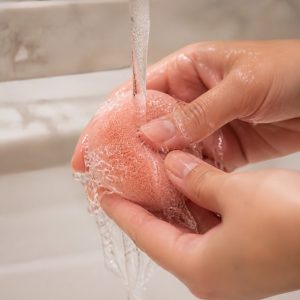
Wash it weekly at minimum, more often if you’re using it daily or if it’s been dropped anywhere near a bathroom floor. Use it wet, not dry — a damp sponge picks up less product and spreads it more evenly, which is also exactly the clean-girl-makeup technique in the first place: light layers of tinted moisturizer, blended outward, no demarcation line. Let it dry fully and openly between uses rather than sealed in a bag or drawer, since a moist, airless environment is precisely what the bacteria are counting on. And don’t trust your eyes — a sponge that still looks presentable is not the same as a sponge that’s clean.
The Real Tension Behind Clean Girl Makeup
There’s something worth noticing in the fact that the more “no-makeup makeup” a routine becomes, the more the invisible mechanics behind it start to matter. Clean girl makeup is built on the idea that less product, applied well, reads as more care. But the tool doing that quiet work — pressed directly onto bare skin, day after day — deserves the same attention as the look it’s creating. The irony isn’t that the sponge is dirty. It’s that nothing about “clean” ever really extended to the thing making it possible.
Sources & credit:
- Journal of Applied Microbiology — Aston University bacterial contamination study of donated beauty products
- Healthline — makeup sponge cleaning research and hygiene guidance
- Rea Ann Silva / Beautyblender origin history — Smithsonian National Museum of American History, Forbes
- Harmoni Studios internal research — Makeup Tools mini-series (Kumano Makeup Brushes, The Wand Is the Formula)