Press On Nails vs. Gel Nails
For a long time, press-on nails vs gel nails wasn’t really a debate. Press-ons were the backup plan — the drugstore fix for a chipped manicure or a night out with no appointment available. Gel was the real thing. That gap has closed, and it didn’t close because press-ons got trendy. It closed because the salon industry’s own economics pushed people toward the door.
Press-On Nails vs Gel Nails:What ChangeWhat Changedon the Price Side
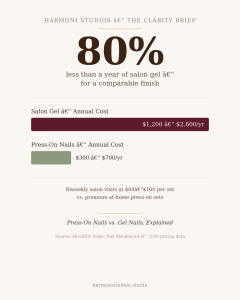
Start with what a gel manicure actually costs now. A salon gel set in a major U.S. city runs $60 to $100 a visit before tip. Done on the standard biweekly refresh most people follow, that’s $1,200 to $2,600 a year — for one recurring beauty habit. That number isn’t inflated for effect. It’s the plain math of a $75 visit repeated twenty-six times.
The reason it’s climbing isn’t mysterious. Salon owners are facing higher supply costs, labor shortages, and rising compliance expenses — some report monthly supply costs up $500 or more, with builder gel specifically up 30 to 50% in price. Layer on 2026’s tariff pressure on imported gel systems, acrylic powders, and UV lamps, and salons have had real reason to pass costs on to clients. If your gel manicure costs more than it did at the start of last year, that’s not the salon padding a margin. It’s a supply chain story landing in your appointment.
Meanwhile, at-home press-ons or DIY gel kits cut that same annual spend by 70 to 80% — while, for the first time, actually delivering a comparable result.
Why Press-On Nails vs Gel NailsFinally Becamea Real Comparison
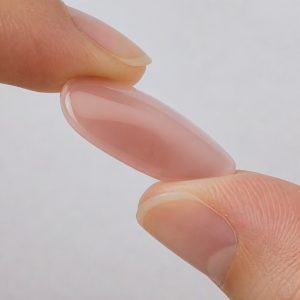
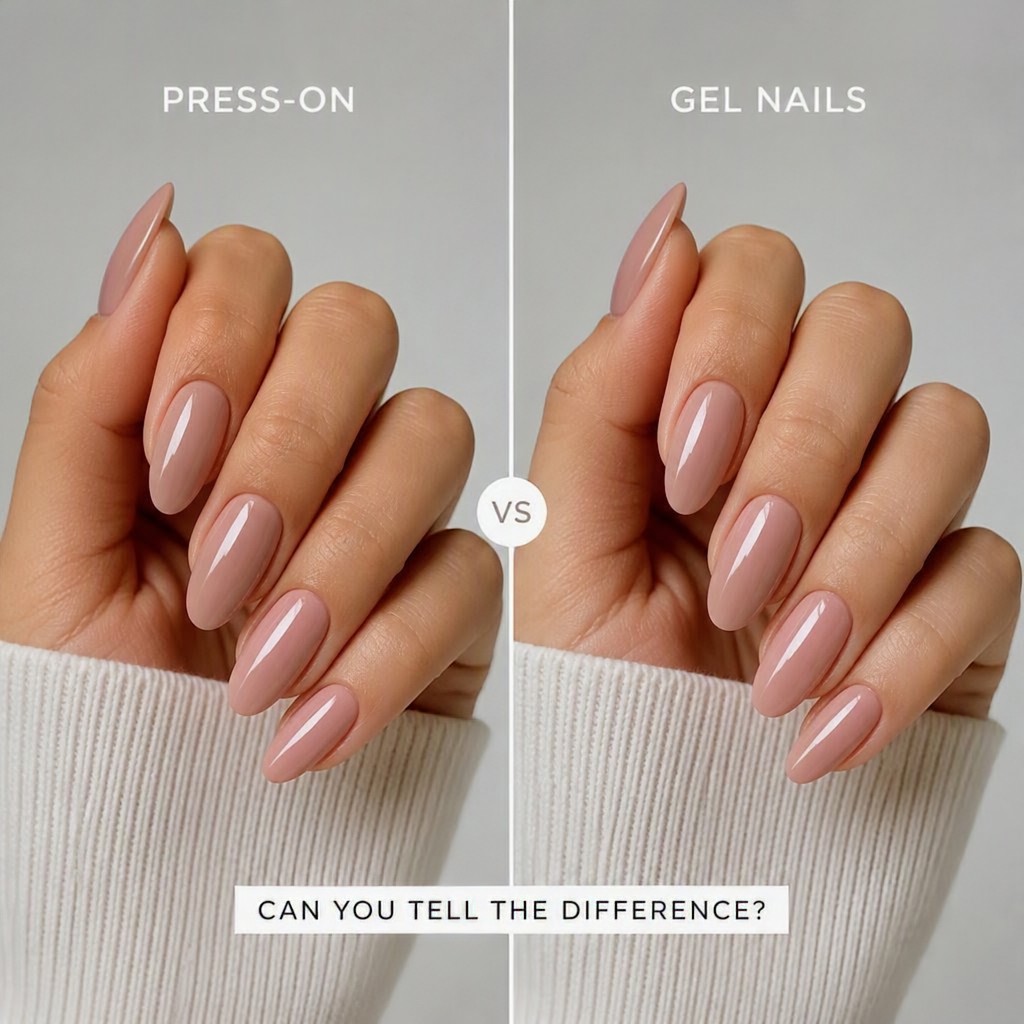
That last part is the piece that makes this a real shift rather than a budget compromise. At the premium end, the gap between press-on nails and salon gel has effectively closed. Soft gel press-ons now flex with the natural nail the way a professional set does, and hand-sculpted 3D designs replicate work that would take a skilled technician an hour to build by hand. Done with proper prep and sizing, a modern press-on set is genuinely difficult to distinguish from a fresh gel manicure — not in theory, in photographs and in person.
That’s the technical unlock underneath the whole trend. Cheaper only matters if it isn’t also worse. For most of press-on history, it was both cheaper and visibly worse. 2026 is the year that stopped being automatically true.
The Press-On Nails vs Gel Nails
Health Case Nobody's Marketing Loudly
There’s a third argument that tends to get buried under the price and quality conversation: what each option actually does to the nail underneath. Gel requires filing the natural nail surface for adhesion and regular UV or LED exposure to cure. Removal typically means acetone soaking or a drill, and over months of repeated gel cycles, the nail plate can thin and weaken enough to need real recovery time. Premium press-on sets, applied and removed correctly with proper adhesive tabs, involve none of that — no filing, no UV exposure, and a nail underneath that stays intact rather than needing to recover between sets.
This is the argument that turns press-ons from a savings tactic into a wellness-adjacent choice — not unlike the shift we’ve traced elsewhere in beauty and wellness, where the less invasive option is increasingly the one winning on its own merits, not just on cost.
Who’s Actually ChoosingPress-On NailsOver Gel Nails
Press-ons used to be marketed almost exclusively to younger, budget-conscious buyers. That’s no longer who’s driving the category. In 2026, they’re just as popular with women who simply value their time, want to experiment with trends more often than a salon schedule allows, or prefer the non-chemical application on principle. That’s a real demographic shift, not a marketing repositioning — the customer base widened because the product finally earned it.
What the Press-On Nails vs Gel Nails Shift Actually Signails
The interesting part isn’t that press-ons got better. Products improve constantly; that’s not news. What’s worth naming is that the improvement arrived at the exact moment salon economics gave people a reason to go looking for an alternative. Quality and price pressure moved in the same direction at the same time, and that’s a rarer, more durable kind of shift than a trend cycle. Salons aren’t going away — durability and expert finish still belong to gel, and plenty of people will keep paying for that. But the idea that “real nails” only come from a salon chair doesn’t hold the way it did even two years ago. The at-home option finally has a real case to make, on its own terms, not as a compromise.
Sources & credit:
- Nail Moodboard — The Best Press-On Nails 2026
- Mirellé Inspo — How Much Do Nails Cost: Complete Pricing Guide
- So Does Nails — Press-On Nails vs. Gel Nails
- Lunae Nails — Gel Nails vs. Press-On Nails
- Harmoni Studios internal research — Nails vertical, Studio Signal archive