Red Sea Coral Reefs
The Red Sea Coral Reefs the World Forgot to Panic About
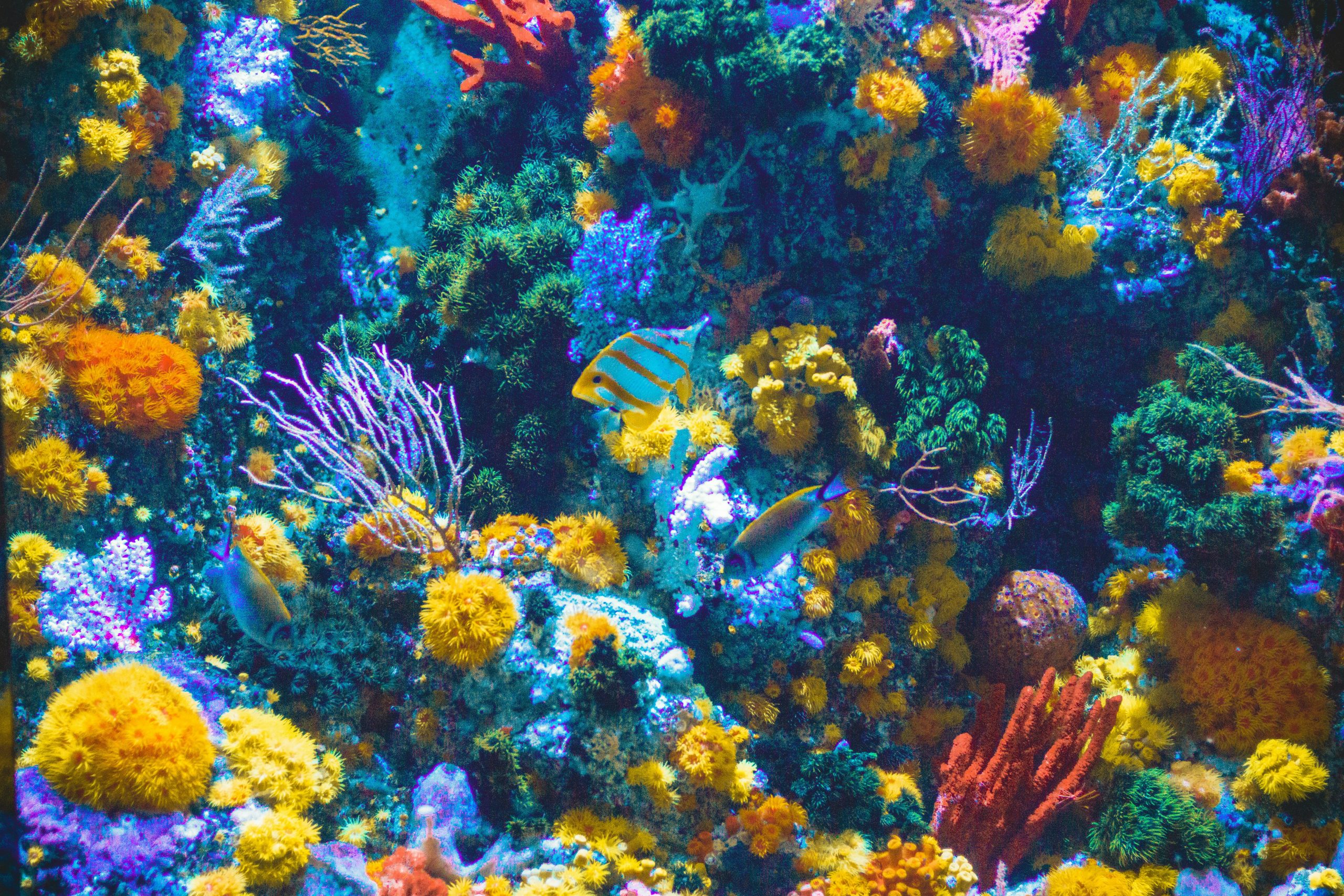
While reefs everywhere else turn to bone, the Red Sea coral reefs off Sharm El Sheikh are doing something almost defiant — they’re staying alive. Not thriving without a scratch. Alive. There’s a difference, and it’s the whole story.
Why Red Sea Corals Shrug Off Heat That Kills Everywhere Else
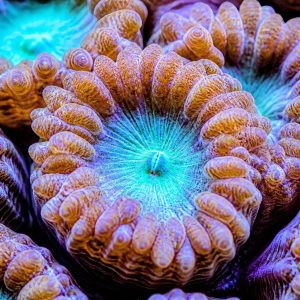
Most coral dies a few degrees past its comfort zone. Red Sea corals tolerate water up to 5°C above their summer max — a resilience so unusual that scientists are quietly calling this stretch of coastline a climate refuge. I take you there because it matters: this isn’t folklore, it’s field data.
The Sharm El Sheikh Reef Story Behind the Postcard

Every dive brochure sells you the same Sharm El Sheikh reef — brilliant, untouched, eternal. That’s the export lane talking. The culture lane tells a rougher truth: national park zones, deepwater refuges, and decades of local dive-operator discipline are doing the actual work of keeping these reefs alive.
Where Red Sea Reef Resilience Runs Out
Resilience isn’t immunity. The same Red Sea reef resilience that headlines the marketing thins out fast in the shallow, high-traffic snorkel patches — the ones tourists actually touch. Marine heatwave data from the north shows 1–1.6°C of absorbed warming, more than the central or southern reef systems carry — a pattern traced in detail by research published in Nature’s Communications Earth & Environment.
What the Red Sea Coral Reefs Are Really Telling Us
The Red Sea coral reefs aren’t a happy ending. They’re a warning wearing good PR — proof that resilience has a ceiling, even here. She sees it first: the reef that won’t quit is still counting down.