The Lamp Behind the Manicure
STUDIO SIGNAL — NAILS
The Lamp Behind the Manicure
Nobody asks about the lamp. Everyone should.
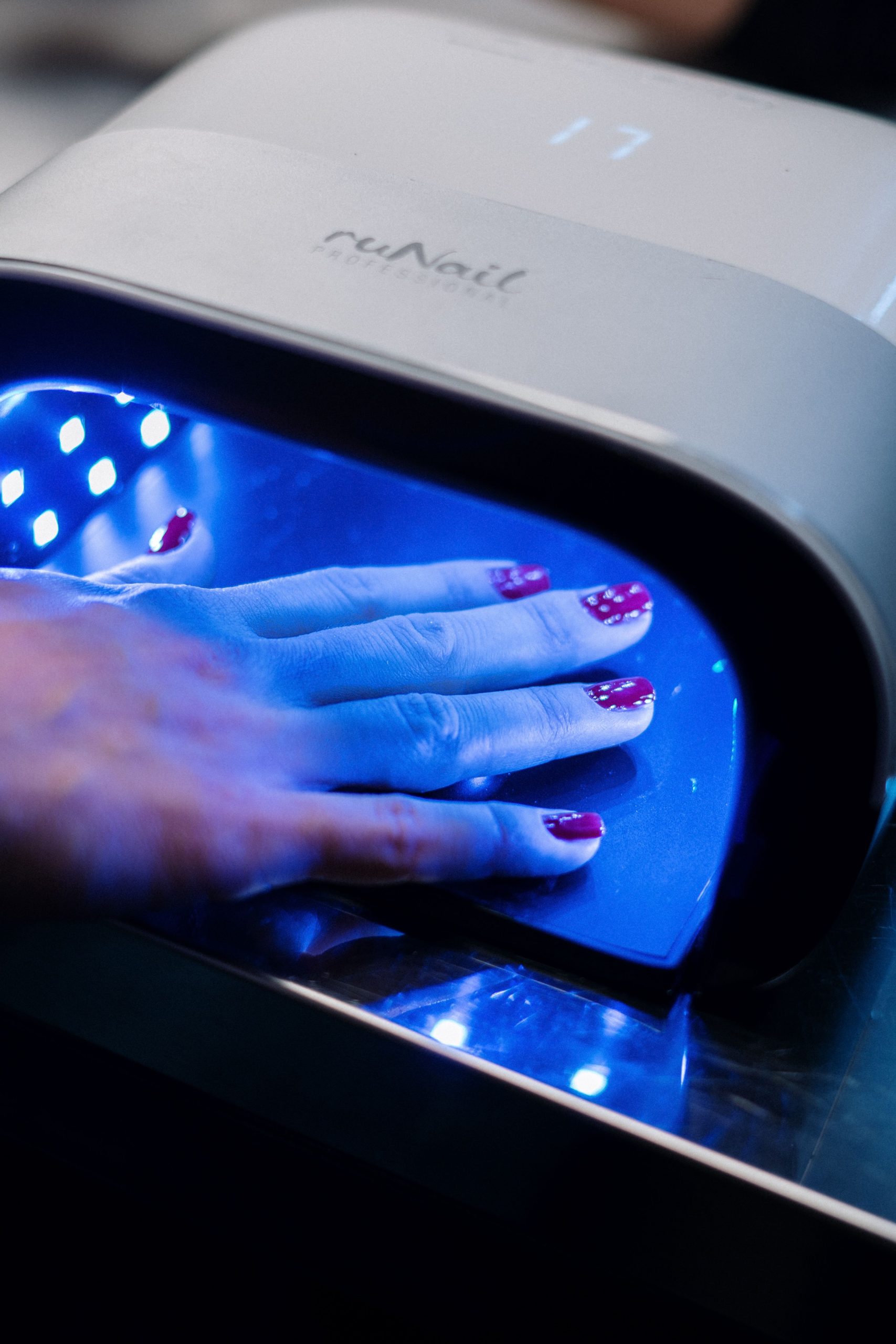
I’m watching a manicurist slide a UV LED nail lamp across the counter without looking at it — the way you’d move a stapler. It’s the least glamorous object in the room, sitting next to bottles with actual names and colors, and it’s also the reason any of them last longer than a day. Nobody asks about the lamp. Everyone should.
The Culture Lane: Korea Engineers the Problem Away
South Korea didn’t invent gel polish, but it’s been quietly rebuilding the tool that cures it for years. The lamps coming out of Korean beauty tech aren’t just stronger — they’re built to solve problems the rest of the market hasn’t gotten around to noticing yet: motion sensors that trigger the light only when a hand is actually inside, app-connected timers that adjust automatically to different gel formulas, low-heat engineering that stops the mid-cure sting a lot of people just accept as normal. It’s the same instinct that shows up in Korean skincare and K-beauty generally — treat the routine itself as something worth engineering, not just the product sitting on top of it.
The Export Lane: A Market Flooded, Not Refined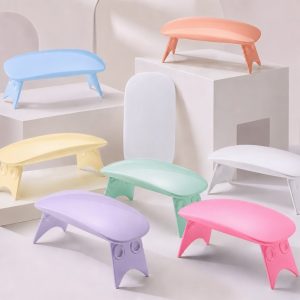
Then there’s the version most people actually own. Search “UV LED nail lamp” and you’ll land in a sea of nearly identical devices — different wattage numbers, same generic shape, sold by the dozen on marketplaces that care about price point, not engineering. Somewhere in the supply chain, the Korean original gets copied, stripped of whatever made it smart, and sold for a fraction of the cost. It still cures gel. It just doesn’t do anything else.
This isn’t a knockoff story out of malice — it’s what happens when a genuinely engineered object becomes a commodity fast enough that nobody has time to ask which version they’re actually buying.
Why the Lamp Actually Matters
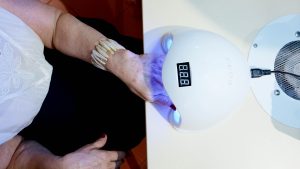
A manicure isn’t just the polish. Under cured gel lifts, peels, and dulls within days no matter how good the color is — and the lamp is the only thing standing between a fresh manicure and a sticky, half-set mess. It’s the same lesson I keep running into across every vertical: the visible thing gets all the attention, and the tool making it possible sits there, ignored, doing the actual work.
It’s the same instinct I found in Paris, three blocks off the boulevard — the value isn’t just in the look, it’s in knowing what’s actually behind it.
Coming next in this series: the mascara wand’s quiet engineering arms race, and the accidental invention behind the beauty sponge.