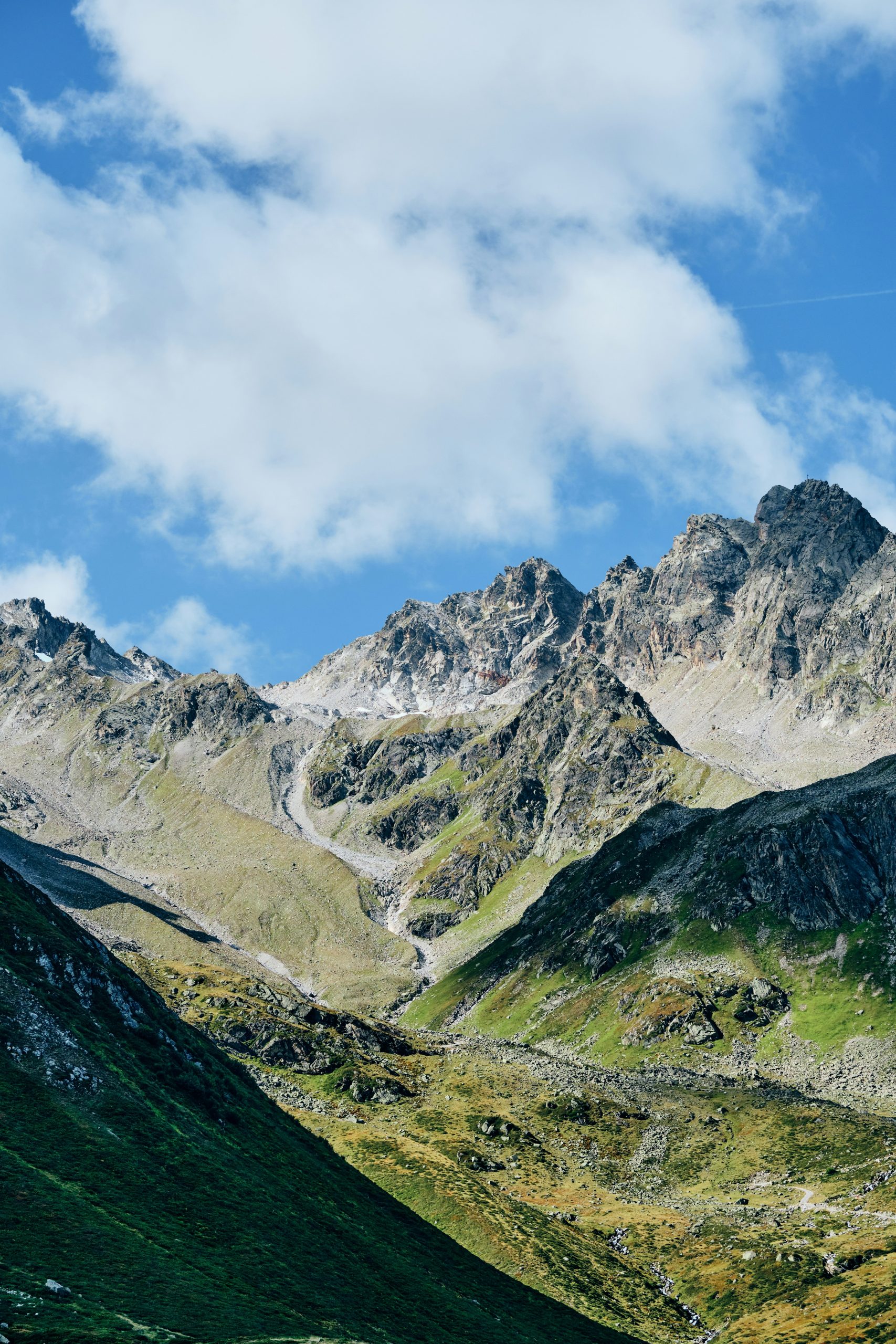
Peru’s Sacred Export
I’ve watched enough export lanes to know the usual shape of the story: an outside power arrives, takes what it wants from a culture, dresses it up, and sells it back to the world at a markup. Someone else’s ritual, someone else’s profit.
Peru doesn’t fit that shape. Here, the capital is largely domestic. The hands doing the packaging belong to the same soil the ritual came from. And that should make the ethics simpler. It doesn’t.
The Culture Lane
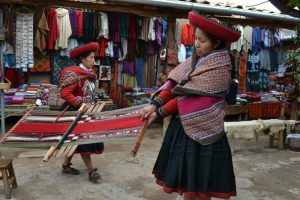
Before there’s an export, there’s a life. Coca leaf, chewed or brewed, has moved through Andean daily existence for longer than any resort has existed — an ordinary remedy for altitude, hunger, fatigue, wrapped in reciprocity with the mountain itself. Pachamama isn’t a spa concept; she is who you owe an offering to before you take anything from the earth. Further into the Amazon basin, plant medicine ceremony carries lineage, apprenticeship, community accountability — structures that don’t travel easily, and were never meant to.
None of this was created for an audience. That’s precisely what makes its export interesting to watch.
Three Tiers of Export
The Polished Tier — Sacred Valley Luxury
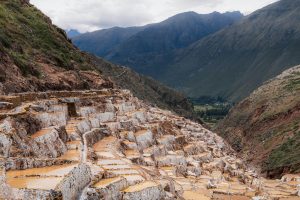
In Cusco and the Sacred Valley, two decades of refinement have turned Andean practice into a legible five-star vocabulary. A llama trek becomes a mindfulness walk. Coca tea arrives bedside as an altitude remedy before you’ve asked for it. This is export at its most institutionalized — reputable, photographed, comfortable. It is also the version where the distance between ritual and product is easiest to forget you’re standing inside.
The Contested Tier — Ceremonial Tourism
Further into the Amazon, ayahuasca retreats offer something the polished tier doesn’t dare: an experience explicitly marketed as transformation, sold to visitors seeking what their own culture doesn’t provide. This is the export lane at its most exposed — the practice with the deepest internal weight, moved furthest from the context that once governed who could access it, and how.
The Transactional Tier — Staged Encounter
On Titicaca’s floating Uros islands, day-trippers step onto reed platforms for an afternoon of curated “authentic” village life. Thinnest of the three, and the most honest about what it is: a performance, priced by the hour.
The Peru Twist
What separates this from Mexicos wellness export atory— where SHA Wellness and Almare represent largely European capital packaging Mexican tradition for a global audience — is authorship. In Peru, it is often Peruvian operators packaging their own inheritance for outbound Western consumption. Self-directed, not extracted.
Does that change the ethics, or only the optics? A culture selling its own sacred things to itself, for someone else’s benefit, is not obviously more or less complicated than an outsider doing the same. It may simply be a different kind of complicated — one where the discomfort, if there is any, has nowhere else to point.
I always ask the same question before I ask anything else about a place: who is the buyer, and what are they actually paying for? In Peru’s case, the buyer is the American or European wellness seeker, reaching for something their own life doesn’t offer them. That hunger says as much about the buyer as it does about what’s being sold.