South Of The Ritual
Wellness+Beauty · Travel
I went looking for what luxury travel invented. I found something it only remembered to charge for.
I keep returning to the same thought: the sweat lodge was never missing. The world just started paying to remember it existed.
The Shift
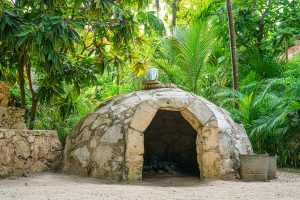
I’ve watched North America’s travel spending move, deliberately, toward experience over acquisition. That part isn’t news to me. What held my attention longer was the question underneath it — when the experience economy needed something real to sell, where did it go looking? I followed that thread south, to Mexico, and it didn’t take long to see what it found.
Not manufactured wellness. Inherited wellness. Temazcal, the Mayan sweat lodge ritual — heat, herbs, breath, a healer holding the room — isn’t being offered to me as a spa novelty anymore. It’s the architecture itself. At Almare, on Isla Mujeres, I noticed the spa’s own lobby is built as a circle, a direct reference to Mayan belief around fertility and the turning of life’s cycles. The ritual isn’t referenced there. It’s structural.
This is the pattern I keep tracking across every vertical I touch: the market didn’t invent the value. It located it, priced it, and started building around it.
Hana’s ReadLuxury travel used to sell me distance from ordinary life. What it’s selling now is proximity to something ancestral. I don’t read that as an amenity upgrade. I read it as a redefinition of what the traveler thinks she’s paying for.
The Distinction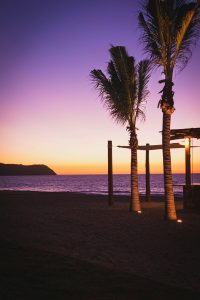
Generic wellness tourism borrows imagery — a yoga mat on a beach, a candle, a word like “sanctuary” printed on a brochure. I don’t find that interesting. What I found along Mexico’s Caribbean coast is a split into two serious philosophies, both drawing from the same cultural source, both refusing to collapse into the other.
Almare treats ritual as atmosphere. I saw it in the candlelit beach meditation, the sound healing, ceremony folded into the guest’s day as a felt, sensory language. Then I looked up the coast to Costa Mujeres, where SHA Wellness is opening its second global location in seventeen years, and found the opposite instinct entirely: ritual as data. Diagnostic-led stays of four to twenty-one days, ancient practice fused with clinical protocol and measured outcomes.
Almare, Isla Mujeres
Ritual as atmosphere
Ceremony as sensory language. Circular spa architecture rooted in Mayan symbolism. Ancestral practice offered as felt experience, not treatment plan.
SHA Wellness, Costa Mujeres
Ritual as protocol
Diagnostic-led stays built around Longevity science. Ancient practice fused with modern medicine and a results-driven daily schedule.
The Parallel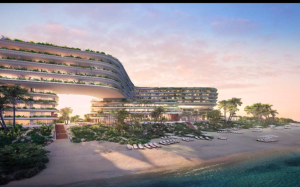
I’ve been tracking this same divide for months in my own Intelligence Log: wellness and beauty no longer sit in separate budgets, and the language driving both is shifting from self-care toward longevity science. SHA’s diagnostic model is that shift, applied to travel. Almare’s sensory model is self-care, applied to place. I’m watching the same convergence McKinsey keeps surfacing in appearance-driven spend — just on a different coastline this time.
Hana’s ReadThe traveler in front of me isn’t choosing between candle and clipboard. She’s choosing which version of “restored” she wants to be. Mexico is simply the first place I’ve found offering her both, honestly, without pretending they’re the same thing.
The Larger Story
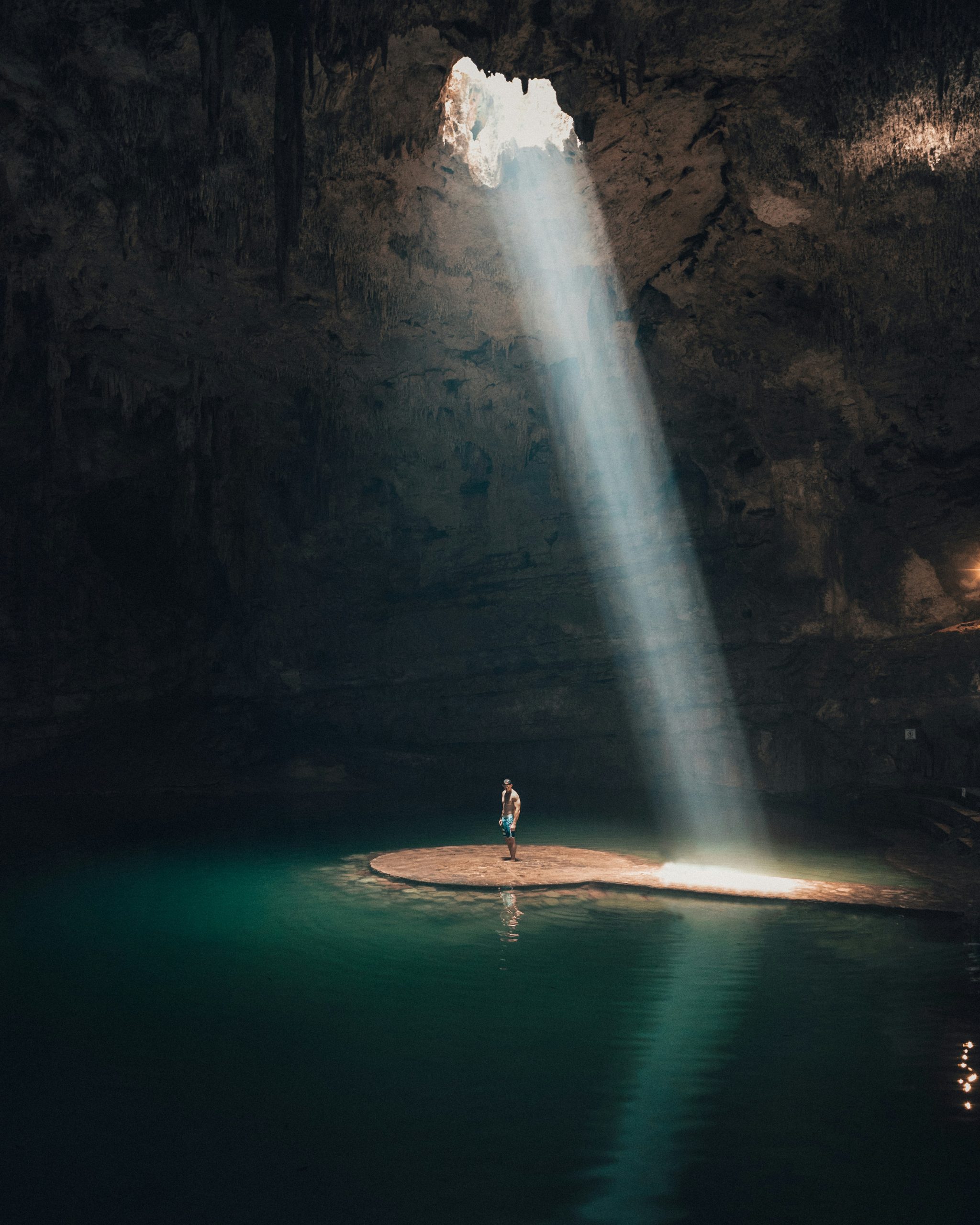
What I find most telling is the strategy underneath all of it.Mexico’s tourism positioning in 2026 leans deliberately on Mayan heritage rather than around it — cenote bathing, temazcal, indigenous foodways treated as the differentiator, not the garnish. That’s a choice with weight. It’s the line between a destination selling generic spa product and one offering something rooted.
I’ll go further into this in the Clarity Brief — into who’s leading these ceremonies, what’s owed to the communities whose practice is now underwriting a global luxury category, and where honoring a lineage starts to blur into merchandising one. That’s a longer conversation than I can hold here.
What I know now, standing where I am: the ritual was never the amenity. It was always the asset.